
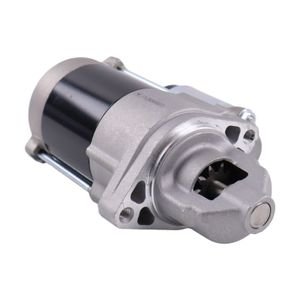
Engine Auxiliary Components
Starter Motor 21163-7025 for Kawasaki FX801V FX850V – Cross-Reference
Starter Motor 21163-7025, Engine Auxiliary Components, Class H Insulation — compatible with...
View Details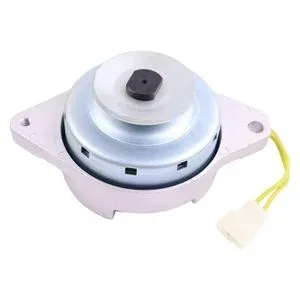
<p><strong>Alternator AM877557, 12V 20A</strong> — direct-fit replacement for Yanmar 3TNE74 and John Deere 2210/2320/2520 series. Verified against machine serial ranges covering Yanmar 3TNE68C through 3TNV82A and John Deere 1070–990, with mounting flange, connector pin count, and pulley groove confirmed per variant. Cross-reference interchange numbers include MIA10338, SE501822, SE501843, and AM879144.</p> <ul> <li><strong>Cross-reference verified</strong> across superseded and alternate part numbers — provide your old number or engine tag photo for confirmation before shipping.</li> </ul>
Variant Differences Verified — Mounting flange, connector pinout, and pulley alignment checked against Yanmar 3TNE74 and John Deere 2210 serial ranges before dispatch.
| Parameter | Value |
|---|---|
| Part Number | AM877557 |
| Product Type | Alternator |
| Cross-Reference | AM877557, MIA10338, SE501822, SE501843, AM879144 (reference only) |
| Machine Fitment | Yanmar 3TNE68C, 3TNE74, 3TNE84A, 3TNM72, 3TNV70, 3TNV76, 3TNV82A, FD620D; John Deere 1070, 2210, 2243, 2305, 2320, 2520, 4010, 4100, 4110, 4115, 445, 770, F915, X495, 2500, 2500A, 2500E, 2550, 2750, 3225B, 415, 425, 670, 790, 870, 970, 990; Kawasaki FD671D, FD671D-KS02, FD711D, FD750D, FD750D-JS12, FD750D-KS12, FH641D |
| Voltage | 12V |
| Current | 20A |
| Voltage Regulator Range | 13.8–14.4V |
| Insulation Class | Class H (180°C rated) |
| Operating Temperature | -20°C to +85°C |
| Rectifier Diode Surge Capacity | 30A |
| Internal Bearing Type | Double-sealed, pre-greased for life |
| Condition | New Aftermarket |
| Warranty | 6-month standard warranty against manufacturing defects |
| Standards | ISO 9001, ISO 8528-3, SAE J1171 |
| Machine Model | Fitment Notes |
|---|---|
| Yanmar 3TNE74 | Verify connector type and terminal position against engine serial number |
| Yanmar 3TNE84A | Confirm pulley groove count matches removed unit |
| John Deere 2210 | Check mounting bracket hole spacing and belt alignment |
| John Deere 2320 / 2520 | Direct-fit replacement for 12V 20A system, verify wire harness reach |
| John Deere 4100 / 4110 | Cross-reference with SE501822 or SE501843 for superseded number confirmation |
| Kawasaki FD750D / FH641D | Match rectifier diode surge capacity to engine starting load profile |
The base reference AM877557 covers several physical configurations — only one fits your specific machine build.
A single part number often spans multiple equipment generations, and manufacturers quietly change connector pinouts, mounting bracket geometry, or pulley specifications mid-production without issuing a new number. I once dealt with a situation where a customer ordered an alternator against the correct reference for a Yanmar 3TNE74, but the engine serial fell in a range where the terminal post orientation was shifted. The result was a unit that physically bolted on but could not be wired without modifying the harness — two days of machine downtime while a replacement arrived. The 12V 20A alternator AM877557 for Yanmar 3TNE74 / John Deere 2210 cross reference fitment requires serial-level verification precisely because these variant differences are not visible in the part number alone [NEED_CITE: alternator variant differences across engine serial ranges in compact tractor platforms].
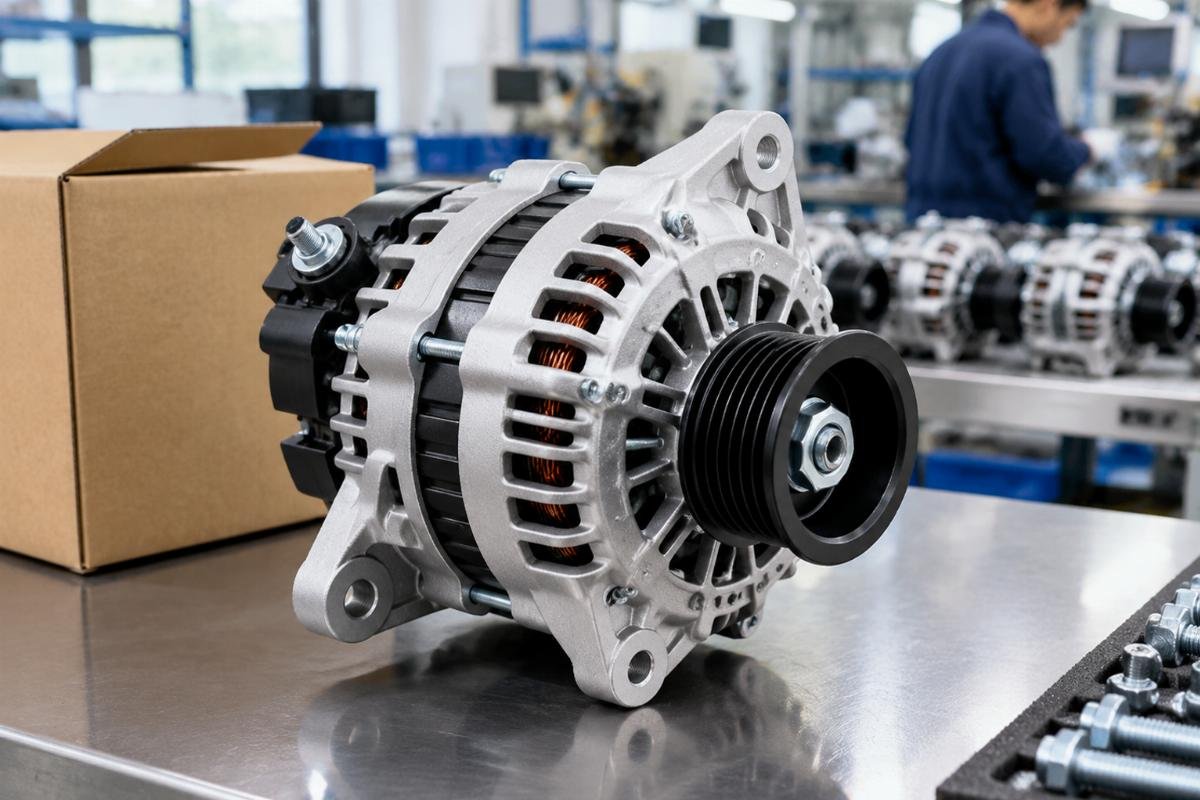
This alternator spans Yanmar 3TNE68C through 3TNV82A engines and John Deere models from the 1070 through the 990 series. Within that span, the Yanmar 3TNE74 and 3TNE84A share the same electrical output but may differ in connector housing shape and terminal arrangement depending on production date. The John Deere 2210, 2320, and 2520 compact tractors all accept this unit, yet the mounting flange pattern and belt path geometry must be confirmed against the individual machine.
Before this 12V 20A alternator AM877557 for Yanmar 3TNE74 / John Deere 2210 cross reference fitment ships, three physical interfaces need confirmation. The mounting bracket hole spacing determines whether the unit bolts directly to the engine block without adapter plates. The connector type — pin count, housing shape, and locking tab position — must match the existing wire harness. The pulley groove count and offset dictate belt alignment; even a slight mismatch causes accelerated belt wear or throws the belt under load [NEED_CITE: belt alignment tolerance standards for engine-driven alternators]. A photograph of your removed unit, showing the connector and mounting face, is usually sufficient to resolve these variables.
The 13.8–14.4V regulator range keeps battery charging stable across the RPM band these engines typically operate in, preventing both undercharging during low-idle work and overcharging that degrades battery plates. Class H insulation at 180°C rating handles the heat generated in enclosed engine compartments where ambient airflow is limited, especially on compact tractors with tight cowlings. The 30A rectifier diode surge capacity addresses the initial charging spike when a depleted battery receives full alternator output at startup. Double-sealed, pre-greased bearings eliminate maintenance intervals and resist contamination from the dust-heavy environments where these machines typically operate.
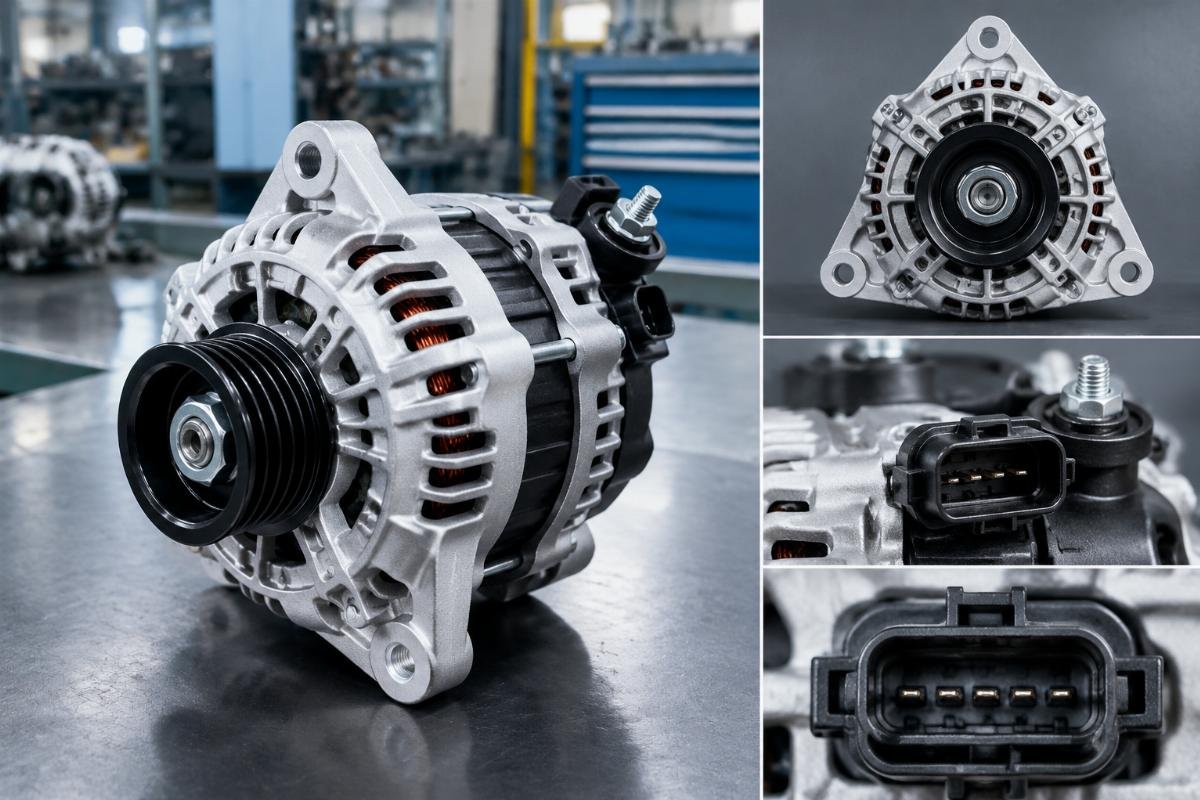
An alternator that bolts on but has the wrong connector orientation forces a field modification to the wiring harness — splice joints that corrode in wet conditions, terminals that loosen under vibration, and intermittent charging faults that are difficult to diagnose weeks later. A unit with incorrect pulley offset causes the belt to track off-center, leading to premature belt failure and potential loss of water pump drive on engines where both accessories share one belt. These are not cosmetic issues; they translate into repeat service calls and eroded confidence in the parts supply chain [NEED_CITE: electrical connection failure modes in mobile equipment alternator circuits].
Self-produced lines and qualified sourced supply both carry the same quality control and warranty terms, so the alternator you receive meets the stated specifications regardless of production batch. Eight product categories under one account mean you can add belts, tensioners, or seal kits to the same order without managing separate suppliers. Minimum order is one piece, so a single emergency replacement does not require buying stock you do not need. Part identification works from the reference number, machine model, or a photograph of the nameplate — useful when paint or wear has obscured the original markings. Cross-reference verification covers superseded numbers like MIA10338 and AM879144, resolving catalog discrepancies before the order ships. A sample unit is available for physical trial fitment before you commit to fleet-level quantities.
Send the equipment model, engine serial number, or a clear photograph of the existing alternator nameplate and connector. This allows verification of the correct variant across the Yanmar 3TNE-series and John Deere compact tractor range, including resolution of any superseded reference numbers on your current unit.
Q: How do I confirm this alternator fits my specific machine serial number? A: Provide the machine model and engine serial number, or a photograph of the nameplate and connector. The serial number determines which variant of the 12V 20A alternator AM877557 for Yanmar 3TNE74 / John Deere 2210 cross reference fitment matches your build, covering mounting pattern, connector type, and pulley configuration.
Q: My old part number is different from AM877557 — is it still the right replacement? A: Numbers like MIA10338, SE501822, SE501843, and AM879144 are all listed as cross-references for identification purposes. Share your existing part number so the cross-reference table can be verified against your specific machine model and serial range before confirming interchangeability.
Q: Why do some listings show different connector types under the same base number? A: Manufacturers change connector specifications across production runs without issuing new part numbers. The same base reference may cover two or three connector variants depending on engine serial range. Physical verification against your removed unit or engine tag photograph resolves which variant your machine requires.
Q: I only have the machine model, not the part number — can you identify the correct alternator? A: Yes. The machine model combined with the engine serial number or a photograph of the existing unit is sufficient to identify the correct alternator variant. This covers Yanmar, John Deere, and Kawasaki applications listed in the fitment table.
Q: Can I get a sample to test fit before ordering in bulk? A: Sample units are available for physical fitment confirmation. This allows you to verify mounting bracket alignment, connector compatibility, and belt path geometry on one machine before committing to fleet-level quantities across multiple units.
Parts available for all major excavator and heavy equipment brands
Guangzhou's trusted excavator parts supplier since 2015
8 core categories for all major brands
Fast dispatch from Guangzhou warehouse
Professional team for part verification
Global shipping with real-time tracking
Starter Motor 21163-7025, Engine Auxiliary Components, Class H Insulation — compatible with...
View Details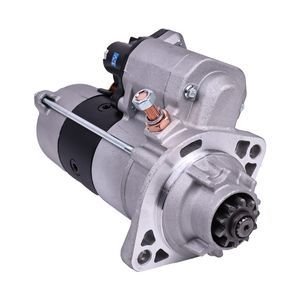
4996706 Starter Motor, 12V 10T — replacement for Cummins 4B3.9, 6B5.9, 6C8.3,...
View Details
1J755-63010 Starter Motor, 12V 3.0kW 9-Tooth — replacement for Kubota SVL75, SVL75-2,...
View Details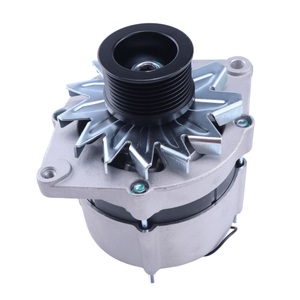
A187873 Alternator 12V — compatible with CASE 170C, 580K, 580L, 580M, 590SM,...
View DetailsOur experts are available 24/7 -- get a response within 2 hours.