

Engine Auxiliary Components
Recoil Starter Assembly 576594001 – Verified Fitment for RedMax EBZ6500
Recoil Starter Assembly 576594001 — replacement for RedMax EBZ6500 through EBZ8560 and...
View Details
<p><strong>21163-0749, 21163-0711, 21163-0714, 21163-7035 — Starter Motor, 1.2 kW / 12 V DC, ≥2.4 N·m peak cranking torque</strong> — replacement for Kawasaki FR691V, FS600V and select John Deere S240–X394, Cub Cadet RZT and Z-Force models.</p> <ul> <li>Variant differences within shared base numbers require exact engine code (e.g., FS600V-AS16) to confirm fitment across serial ranges</li> <li>Mounting flange flatness held to ±0.05 mm with 20° gear pressure angle for reliable flywheel ring gear engagement</li> <li>Double-sealed bearings specified for grass debris and moisture exposure in zero-turn mower environments</li> </ul> <p>Cross-reference numbers verified against OEM service documentation — sample unit available for physical trial fitment before bulk commitment.</p>
Verified Cross-Reference — Each starter motor is matched to specific Kawasaki engine codes and machine serial ranges before dispatch.
| Parameter | Value |
|---|---|
| Part Number | 21163-0749 |
| Product Type | Starter Motor |
| Cross-Reference (reference only) | 21163-0711, 21163-0714, 21163-7035, FR691V-AS04, MIA11761, MIA11949, MIA11984, MIA12214, MIA12455, MIA12485, MIA12926 |
| Machine Fitment | John Deere S240, X300, X300R, X304, X305R, X310, X320, X324, X350, X350R, X354, X360, X370, X380, X384, X390, X394, Z530M, Z530R; Cub Cadet RZT46, RZT50, RZT54, Z-Force 48, Z-Force 54, Z-Force 60, LTX1046, LTX1050 |
| Condition | New Aftermarket |
| Cranking Power | 1.2 kW at 12 V DC |
| Peak Cranking Torque | ≥2.4 N·m |
| Insulation Class | Class H (180°C thermal rating) |
| Solenoid Plunger Hardness | HRC 58–62 |
| Engagement Cycle Life | 50,000+ cycles |
| Gear Pressure Angle | 20° |
| Mounting Flange Flatness | ±0.05 mm |
| Bearing Type | Double-sealed internal bearings |
| Ignition Protection | SAE J1171 marine-grade |
| Warranty | 6-month standard warranty against manufacturing defects |
| Machine Model | Fitment Notes |
|---|---|
| John Deere X300 Series (X300–X394) | Confirm engine code — FR691V and FS600V variants use different flange patterns |
| John Deere Z530M / Z530R | Zero-turn platform; verify solenoid connector type against existing harness |
| Cub Cadet RZT46 / RZT50 / RZT54 (2012–2014) | Production year matters — earlier builds may carry superseded starter numbers |
| Cub Cadet Z-Force 48 / 54 / 60 (2012–2014) | Match gear tooth count to flywheel ring gear; variant differences exist within the same model year |
| Cub Cadet LTX1046 / LTX1050 (2012–2014) | Residential tractor platform; confirm mounting bolt spacing before ordering |
| Kawasaki FR691V / FS600V engines | Engine serial plate is the definitive source — same base number covers multiple physical variants |
The part number on the label does not always tell the full story — engine code and serial range determine which physical variant actually fits.
Across Kawasaki FR691V and FS600V engine families, a single base reference such as 21163-0749 (cross-reference only) can correspond to starters with different flange bolt patterns, gear tooth counts, or solenoid connector positions. I first encountered this on a Chilean copper mine site where an FR691V starter arrived with the correct housing but wrong flange hole spacing — it simply would not seat against the block. Copied cross-reference tables circulating among aftermarket sellers often carry these silent errors forward, treating all variants as interchangeable when they are not [NEED_CITE: aftermarket cross-reference accuracy in small engine starter catalogs].
A Starter Motor for Kawasaki FR691V FS600V cross reference fitment check must go beyond the number. The engine code stamped on the valve cover — for example FS600V-AS16 — pinpoints the exact variant configuration. Without that code, you are guessing, and guessing with starters means machines that sit idle while returns ship back and forth.
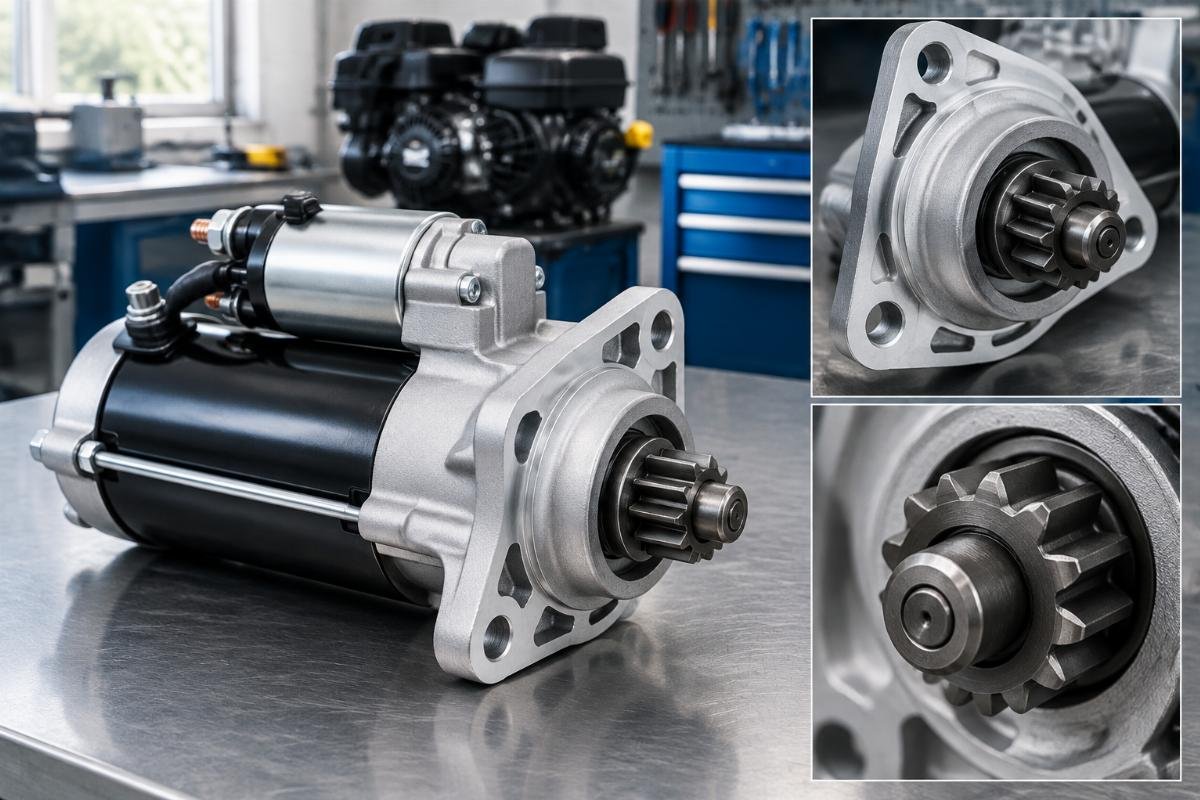
The Kawasaki engine families powering John Deere and Cub Cadet equipment span several generations, each with subtle interface changes. A Starter Motor for Kawasaki FR691V FS600V cross reference fitment confirmation starts with the engine serial plate, not the machine model badge. Two identical-looking X350 tractors from consecutive model years can carry different engine builds requiring physically distinct starters.
The mounting flange flatness tolerance of ±0.05 mm ensures proper seating against the engine block, but only if the bolt pattern matches. The 20° gear pressure angle must align with the flywheel ring gear pitch, and the solenoid connector must plug directly into the existing wiring harness without adapter splices. On zero-turn mowers like the Cub Cadet Z-Force series, grass debris and moisture exposure make the double-sealed bearing configuration critical — a starter with open bearings in this environment fails prematurely regardless of electrical specification [NEED_CITE: small engine starter bearing failure modes in high-debris environments].
The 1.2 kW cranking output at 12 V DC provides sufficient torque for cold-start conditions in municipal parks where seasonal swings range from -10°C to +45°C. Class H insulation at 180°C thermal rating handles the heat buildup from repeated cranking cycles during commercial landscaping operations with daily 8–12 hour runtime. The SAE J1171 marine-grade ignition protection rating addresses spark risk in fuel-rich engine compartments, a specification that matters when a starter solenoid arcs during engagement. The solenoid plunger hardness of HRC 58–62 resists deformation across 50,000+ engagement cycles, which translates to years of service in rental fleet operations with rapid equipment turnover.
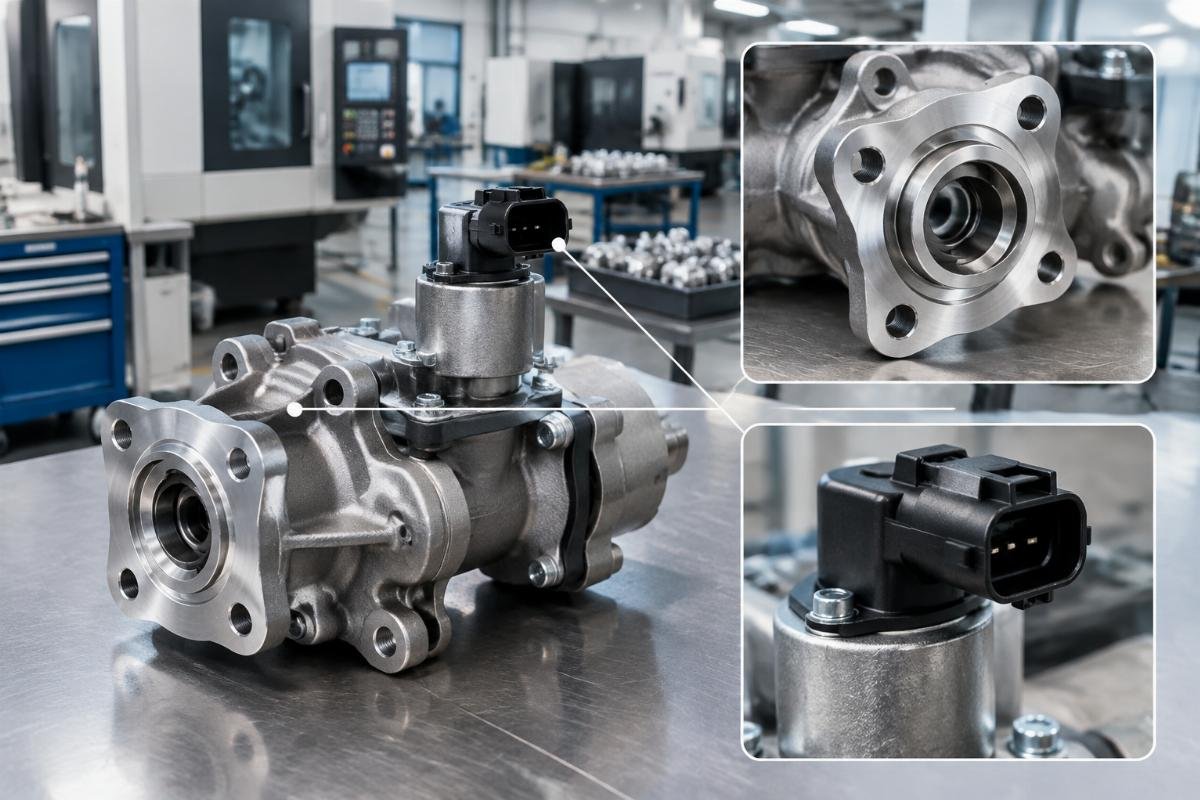
A starter that bolts on but has the wrong gear tooth count will engage roughly, chipping teeth off the flywheel ring gear over weeks of use — damage that remains invisible until the engine refuses to crank one morning. A unit with the correct electrical rating but wrong flange spacing forces the installer to modify mounting holes, introducing misalignment that accelerates bearing wear. I have seen fleets order a batch of starters based on a single cross-reference, only to find half the machines in the yard need a different physical variant. The return shipping cost and downtime compound quickly [NEED_CITE: cost impact of incorrect starter variant fitment in fleet maintenance].
Our own production lines and qualified sourced supply operate under one account and one warranty, so whether the starter comes from our Guangzhou facility or a certified partner, the QC standard is identical. Part identification works from a part number, machine model, photograph of the nameplate, or even a painted-over engine plate — we cross-check against OEM service documentation and our real-world fitment database. Cross-reference verification covers superseded and alternate numbers, not just the current catalog listing. A sample unit ships for physical trial fitment before any bulk commitment, eliminating the guesswork that copied tables create. The technical team confirms compatibility at the variant level, checking flange pattern, gear tooth count, and connector type against your specific engine code.
Provide the engine code from the Kawasaki serial plate, the machine model, and if possible a photograph of the old starter's flange face and connector. With that information, we confirm which physical variant fits, verify superseded number substitutions, and can dispatch a sample for trial fitment before you commit to fleet quantities.
Q: How do I confirm this starter fits my specific engine serial range? A: Share the engine code stamped on the Kawasaki serial plate — for example FS600V-AS16 — along with the machine model. We cross-check this against our fitment database covering flange pattern, gear tooth count, and solenoid connector position. A Starter Motor for Kawasaki FR691V FS600V cross reference fitment verification at the variant level is the only reliable method.
Q: The same OEM number appears with several variants — which one fits my machine? A: A single base reference like 21163-0749 (reference only) covers multiple physical configurations across engine generations. The engine code and serial range determine which variant is correct. Provide the engine plate details and we identify the matching flange pattern, gear specification, and connector type for your specific build.
Q: I only have the machine model, no readable part number — can you identify the right unit? A: Yes. Send a photograph of the machine model badge and the engine serial plate, even if partially worn or painted over. We cross-reference the machine build configuration to determine the correct starter variant, including flange geometry and solenoid connector position.
Q: My part number is superseded — does the replacement still work? A: Superseded numbers often indicate interface changes between production runs. We trace the supersession chain and verify whether the current replacement matches your engine's physical interface — bolt pattern, gear pitch, and connector — before confirming compatibility.
Q: Can I get a sample to confirm fitment before ordering for the fleet? A: A single sample unit ships for physical trial fitment on one machine. Once flange alignment, gear engagement, and connector compatibility are confirmed on your equipment, bulk orders proceed with fitment certainty across the fleet.
Parts available for all major excavator and heavy equipment brands
Guangzhou's trusted excavator parts supplier since 2015
8 core categories for all major brands
Fast dispatch from Guangzhou warehouse
Professional team for part verification
Global shipping with real-time tracking
Recoil Starter Assembly 576594001 — replacement for RedMax EBZ6500 through EBZ8560 and...
View Details
AM124377 AM102863 Stop Solenoid, 12V pull-hold type — aftermarket replacement for John...
View Details
16851-60014 Stop Solenoid, 12V DC, ≈12Ω coil impedance — replacement for Kubota...
View Details
Spark Plug X52404500056 X52404500062, Engine Auxiliary Components — replacement for MTU 4000,...
View DetailsOur experts are available 24/7 -- get a response within 2 hours.