SKIP: no source title
<p><strong>Excavator Parts for CAT, Komatsu, Hitachi, Volvo, Hyundai</strong> — verified fitment across serial ranges with cross-reference lookup covering superseded and alternate numbers.</p> <ul> <li>Interface details confirmed: port position, spline count, flange pattern, connector type</li> <li>Sourcing available by machine model alone when nameplate is unreadable or painted over</li> <li>Sample supply for physical fitment check before bulk commitment</li> </ul> <p>Cross-reference verification completed against machine serial range to ensure direct replacement fitment.</p>
Why Choose This Part
- OEM-grade quality, rigorously tested before shipment
- Compatible with major brands: CAT, Komatsu, Hitachi, Volvo & more
- ISO-certified factory partners, strict QC process
- 24-hour quotation, 2-hour part verification support
- Ships to 120+ countries with real-time tracking
Product Details
Verified Fitment — Each excavator replacement part ships only after machine model and serial range have been matched against our cross-reference database, preventing variant mismatches before the box is packed.
Technical Specifications
| Parameter | Value |
|---|---|
| Product Type | Excavator Parts |
| Cross-Reference | Available on request (for identification purposes only) |
| Machine Fitment | Compatible with CAT, Komatsu, Hitachi, Volvo, Hyundai, Doosan, Kobelco, Sany, XCMG, Liebherr, JCB, Case excavator models |
| Part Identification | By part number, machine model, serial range, or nameplate image |
| Variant Confirmation | Port position, spline count, flange pattern, connector type verified per serial range |
| Minimum Order | Single piece accepted for fitment trial |
Application Suitability
| Machine Model | Fitment Notes |
|---|---|
| CAT 320D / 320D L | Confirm engine serial variant and pump mounting flange pattern before ordering |
| Komatsu PC200-8 / PC210-8 | Cross-reference superseded part numbers; port orientation differs between early and late builds |
| Hitachi ZX200-5G / ZX210-5G | Verify hydraulic connector type and spline count against existing unit |
| Volvo EC210D / EC240D | Electrical connector pin-out varies by production year; photo of nameplate recommended |
| Hyundai R210LC-9 / R220LC-9 | Check bolt hole spacing and shaft diameter against in-field measurements |
| Kobelco SK200-6 / SK210-6 | Earlier serial ranges may carry discontinued numbers requiring alternate cross-reference |
When the Part Number on the Nameplate No Longer Exists
Machine model plus serial range is the starting point, not the stamped number alone.
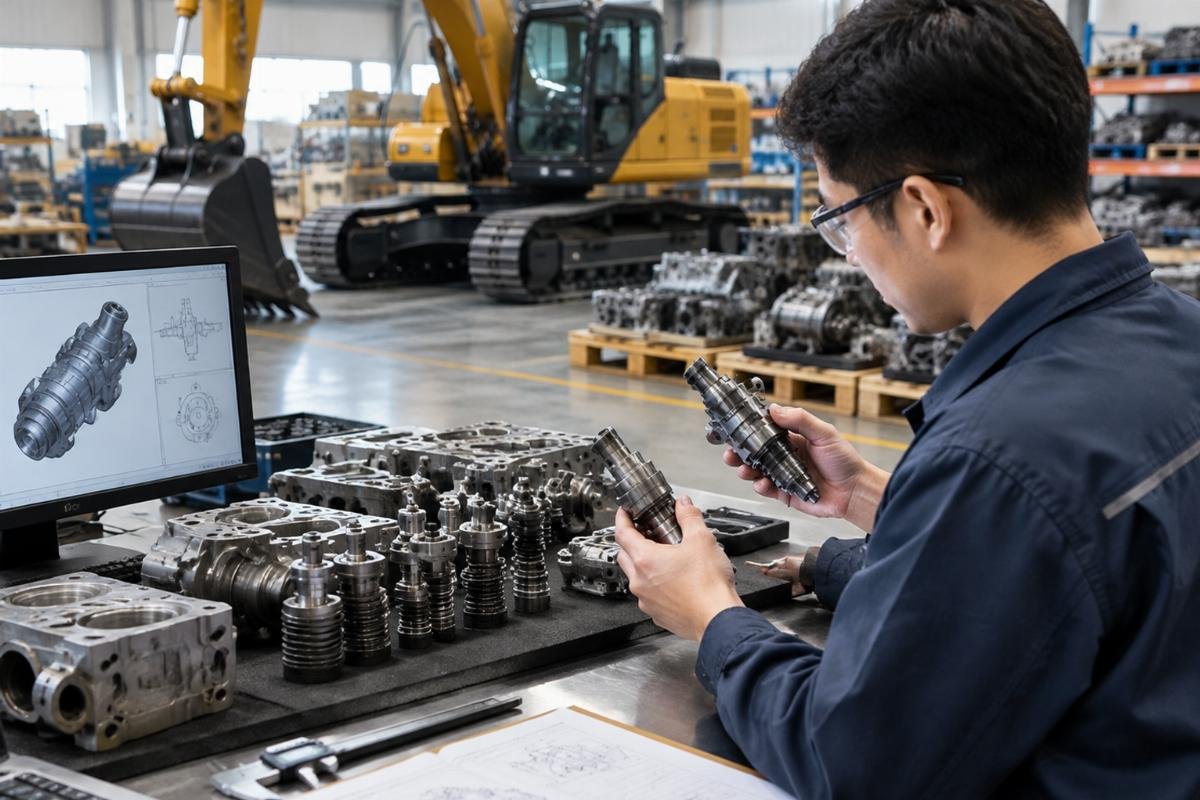
Over the years supporting aftermarket fitment from Guangzhou, I have watched cross-reference tables copied between sellers carry forward errors that cascade into wrong shipments [NEED_CITE: industry cross-reference data accuracy in heavy equipment aftermarket]. A superseded number may have been replaced by two or three distinct variants across production generations, each with different interface dimensions. The same base excavator parts cross reference fitment entry can point to a component with a rotated port, a different spline count, or a changed mounting flange — none of which are obvious from a parts manual printed for an earlier build year. When the nameplate is worn, painted over, or missing entirely, relying on catalog numbers becomes a gamble that keeps machines standing still.
Matching Serial Range to the Correct Variant
Manufacturers revise component specifications across production runs, and a machine's serial range determines which variant left the factory. An excavator parts cross reference fitment lookup must account for these revisions, because the same model designation can span several distinct builds. Providing the full serial number allows the technical team to narrow down the exact production batch and pull the corresponding interface specifications, rather than guessing from a general model listing.
Interface Points That Decide Whether It Bolts On
Port position, spline count, flange bolt pattern, and electrical connector type are the physical details that determine whether a replacement part fits the machine or sits on the workshop floor. I once supported a customer who ordered by an older manual number; the replacement arrived with the hydraulic port rotated 90 degrees from what the machine required, forcing the crew to wait for a second shipment while the excavator remained idle. Checking these interface dimensions against the removed component or the machine's service manual eliminates that risk [NEED_CITE: hydraulic port orientation standards for mobile construction equipment].
Reading the Specifications for Fitment Decisions
Machine model compatibility alone is not enough when variant-level details matter. The rated operating pressure determines whether the component handles the circuit it sits in without premature seal failure. Spline tooth count and shaft diameter must match the mating gear or coupling exactly — even one tooth difference prevents engagement. Mounting hole spacing and flange face dimensions govern whether the unit seats correctly without adapters or re-drilling, which introduces alignment problems downstream. Electrical connector pin count and layout must mirror the machine's harness to avoid rewiring on site. These parameters, confirmed before dispatch, separate a direct fit from a costly return.
The Real Cost of Skipping Fitment Verification
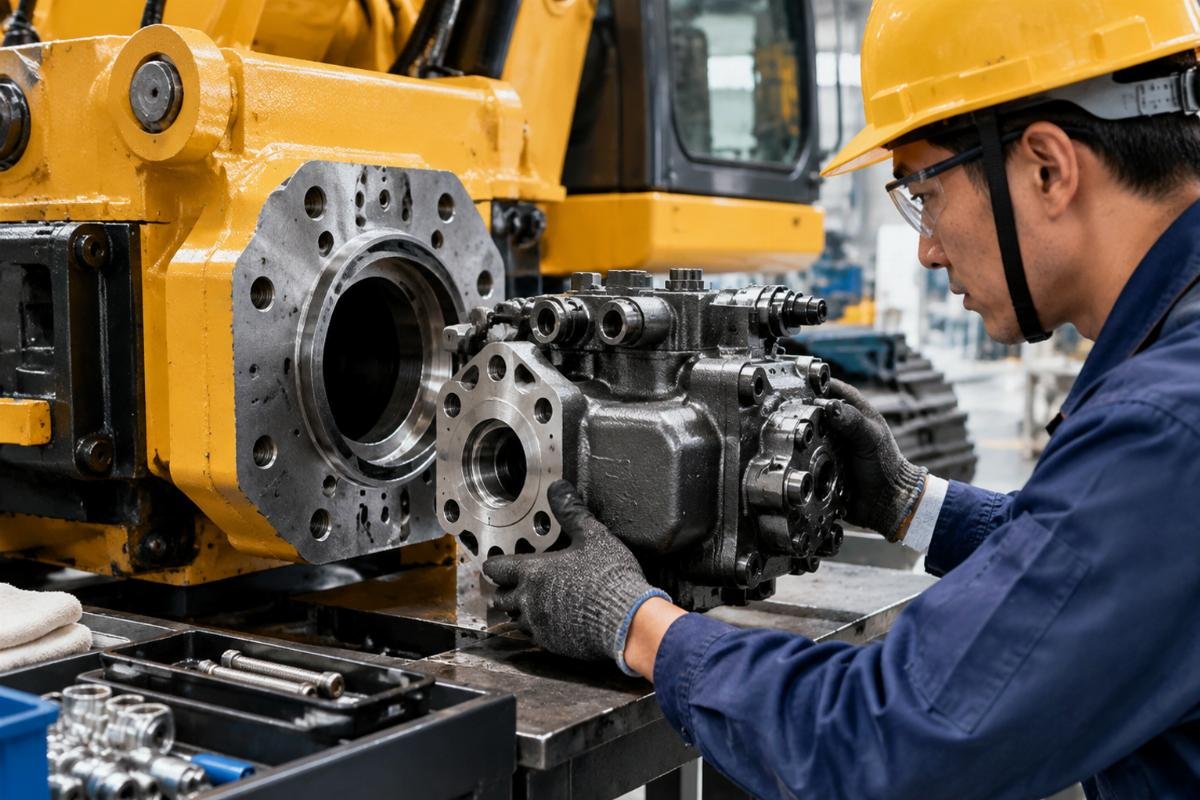
Shipping a component back across borders and waiting for the correct replacement means the excavator sits idle for a period far longer than the original repair window. In some cases, a part that nearly fits gets forced into place, creating misalignment that shows up as early bearing wear or seal leaks within the first hundred operating hours [NEED_CITE: premature hydraulic component failure causes in excavator fleets]. The freight cost of a return shipment, the labor spent removing the wrong part, and the project delay that follows all trace back to a single unchecked interface dimension. Verifying fitment from serial range and physical measurement avoids compounding one mistake into several.
Why Buyers Confirm Fitment Here Before Ordering
Our own production lines and qualified sourced partners operate under the same quality control and warranty terms, so every part carries consistent fitment accountability. Eight product categories mean the complete repair list — seals, gaskets, filters, and the main component — ships under one account with a single set of compatibility documents. Single-piece orders are accepted, so a sample can be test-fitted on the machine before committing to bulk volume. Part identification works from a stamped number, a machine model, a photograph of the nameplate, or a picture of the removed unit. Cross-reference verification covers superseded and alternate numbers, catching catalog errors before they reach the shipping dock. The technical team confirms variant-level compatibility and grade selection based on the machine's serial range and service history.
Documentation & Verification
- Commercial invoice listing machine model and serial range alongside each line item
- Cross-reference sheet (for identification purposes only) mapping superseded and alternate numbers
- Dimensional inspection record covering port spacing, spline count, and flange measurements before dispatch
- Warranty terms document covering both self-produced and sourced supply lines
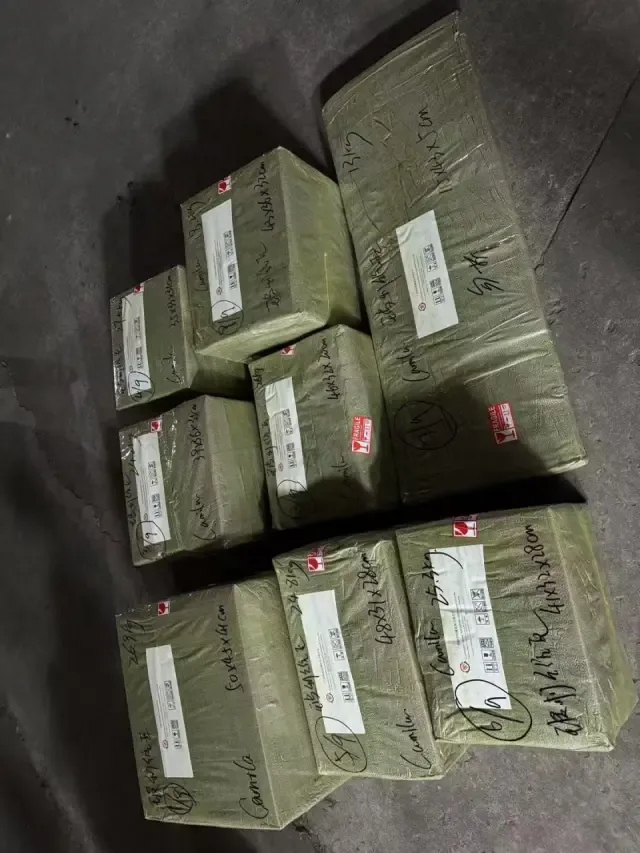
- Packing photographs showing protective wrapping and component labeling
- HS code and customs classification support for cross-border shipment
Fitment Check Before Installation
- Compare port positions and flange bolt pattern against the removed component before unboxing seals
- Verify spline tooth count and shaft diameter by direct measurement against the mating coupling
- Test-fit the unit without sealant or final torque to confirm alignment and clearance
- If dimensions do not match, halt installation and contact the technical team with photographs for cross-reference review
Requesting a Fitment Confirmation
Send the machine model, serial number, and a photograph of the existing part or nameplate to receive a verified cross-reference and variant assessment. If the number is illegible, a clear image of the machine data plate combined with a photo of the removed component provides enough detail for identification. For fleet-wide procurement, supply the model list and serial ranges so the technical team can prepare a consolidated compatibility sheet.
Frequently Asked Questions
Q: How do I confirm this part fits my specific machine serial range? A: Provide the full machine serial number from the data plate. Our technical team cross-references it against production batch records to identify which component variant was fitted at the factory. Serial range determines interface dimensions such as port orientation and spline count, so this step prevents ordering a part that fits the model but not your specific build generation.
Q: My old part number has been superseded — will the replacement fit directly? A: Superseded numbers often map to updated variants with revised interface specifications. We verify whether the current replacement matches your machine's original configuration or whether adapter requirements exist. The cross-reference check covers alternate numbers across production years, and we flag any dimensional differences before the order ships so you know exactly what to expect.
Q: Why does the same base number come in several variants? A: Equipment manufacturers revise component designs across production runs, changing port positions, flange patterns, or connector types while retaining the same base number family. Each variant corresponds to a specific serial range. We identify which variant your machine requires by cross-referencing serial data against build records rather than relying on the base number alone.
Q: I only have the machine model, not the part number — can you identify it? A: Yes. A clear photograph of the machine nameplate combined with images of the removed component or the mounting area provides enough information for identification. Our team matches the visual details against technical drawings and cross-reference databases to confirm the correct part variant for your specific machine configuration.
Q: Can I order a sample to test fitment before placing a bulk order? A: Single-piece orders are accepted specifically for fitment trials. Install the sample on the machine to verify port alignment, flange seating, and connector engagement before committing to larger quantities. This step is recommended for fleets with mixed serial ranges or for replacement parts being sourced for the first time from the aftermarket.
Compatible Brands
Parts available for all major excavator and heavy equipment brands
Why Source from XUNPO?
Guangzhou's trusted excavator parts supplier since 2015
10,000+ SKUs
8 core categories for all major brands
2-5 Day Shipping
Fast dispatch from Guangzhou warehouse
20+ Experts
Professional team for part verification
120+ Countries
Global shipping with real-time tracking
Need a Bulk Quote or Custom Solution?
Our experts are available 24/7 -- get a response within 2 hours.